
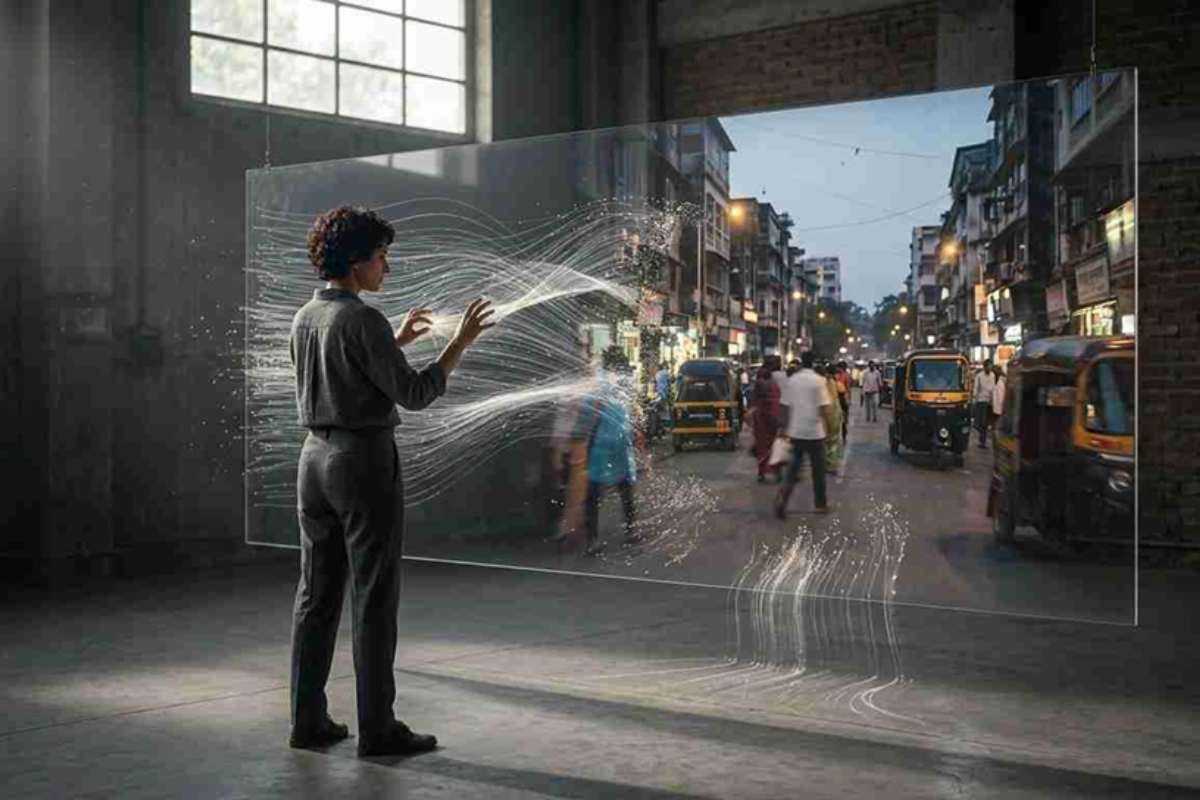
The way video content is created has quietly but fundamentally changed. What used to rely heavily on instinct, creative intuition, and post-performance guesswork is now evolving into something far more measurable. Today, video creation is not just an art, it’s increasingly a science shaped by patterns, metrics and real-time feedback.
For marketers, business owners, and modern storytellers, this shift is not just interesting, it’s transformative. The emergence of the ai video generator has made it possible to align creativity with performance in ways that were previously difficult, expensive or simply impractical.
At the center of this shift is a simple idea: video content should not just look good, it should work. And increasingly, data is what defines what “working” really means.
From Creative Guesswork to Data-Guided Decisions
For years, video production followed a familiar pattern. You brainstorm an idea, produce the video, publish it and then wait. Performance metrics: views, clicks and engagement came after the effort.
But today, that sequence is being flipped.
Instead of waiting to analyze results, creators are now using data insights to guide video creation decisions from the very beginning. This means understanding audience behavior, identifying patterns in high-performing content and shaping videos before they are even produced.
This is where tools like an ai video generator begin to redefine the process. Rather than starting from scratch, creators can build on existing insights, what length works best, which visuals retain attention, what pacing drives engagement and integrate those elements directly into production.
The result is not just faster creation, but smarter creation.
Why Data Matters More Than Ever in Video Creation
The explosion of digital platforms has changed how audiences interact with video. Attention spans are shorter, competition is higher and content lifecycles are shrinking.
For a freelancer managing multiple clients or a small business trying to stay visible, relying on intuition alone is no longer enough.
Data offers clarity in three critical areas:
- Audience Preferences: What type of content resonates most?
- Engagement Patterns: Where do viewers drop off?
- Conversion Signals: What drives action?
An ai video generator allows these insights to directly influence production. Instead of guessing what might work, creators can build videos that are already aligned with proven behavior.
This is particularly valuable for teams with limited resources. Instead of trial-and-error cycles, data-driven video creation compresses the feedback loop.
The Role of AI in Turning Data into Visual Output
Data alone isn’t enough. The real challenge lies in translating numbers into creative decisions.
This is where platforms like Higgsfield come into play.
By integrating data-driven inputs into the creative workflow, It enables users to move from insight to execution without friction. A modern ai video generator doesn’t just automate editing, it interprets patterns and helps shape the final output accordingly.
For example:
- If shorter clips perform better, the system adapts pacing
- If certain visual styles retain attention, they are prioritized
- If specific formats convert better, they are emphasized
This creates a feedback loop where every video becomes smarter than the last.
To explore how this works in practice, you can check out this ai video generator, which demonstrates how data and creativity can coexist within a single workflow.
From Static Content to Adaptive Video Systems
One of the most significant shifts enabled by an ai video generator is the move from static videos to adaptive systems.
Traditional videos are fixed. Once published, they remain unchanged.
Data-driven videos, however, can evolve.
Creators can:
- Test multiple variations of the same concept
- Adjust formats based on performance
- Repurpose high-performing segments into new content
With Higgsfield, this process becomes more fluid. Instead of treating each video as a standalone project, creators can develop a system where content continuously adapts based on feedback.
This is especially powerful for marketers running campaigns or businesses trying to scale visibility without increasing production complexity.
What This Means for Marketers and Businesses
For marketers whether freelancers or part of a small team—data-driven video creation changes the equation entirely.
Instead of asking, “What should we create next?” the question becomes, “What is already working, and how can we build on it?”
An ai video generator makes this approach practical.
1. Faster Campaign Iteration
Campaigns no longer need long production cycles. Marketers can quickly test ideas, analyze results, and refine content in near real-time.
2. Better ROI on Content
When videos are informed by data, they are more likely to perform. This improves efficiency and reduces wasted effort.
3. Scalable Content Production
Small teams can produce more content without compromising quality, thanks to automation and intelligent workflows.
This aligns closely with broader industry shifts highlighted in importance of video in digital marketing, where data-driven personalization and automation are becoming central to content strategies.
Empowering Storytellers, Not Replacing Them
There is a common misconception that data-driven creation limits creativity. In reality, it enhances it.
For educators, filmmakers, and content creators, an ai video generator acts as a collaborator rather than a constraint.
Instead of removing creative control, it provides:
- Clarity: Understanding what resonates with audiences
- Direction: Helping shape narratives that align with viewer behavior
- Efficiency: Reducing time spent on repetitive tasks
Higgsfield, in particular, supports this balance by allowing creators to maintain their unique voice while benefiting from data-informed insights.
Creativity doesn’t disappear, it becomes more focused.
How Data Improves Story Structure and Engagement
Data doesn’t just influence what content is created, it shapes how stories are told.
An ai video generator can help refine key storytelling elements:
Hook
Data reveals how quickly viewers decide whether to keep watching. This informs stronger openings.
Pacing
Engagement metrics show where attention drops, helping creators adjust timing and transitions.
Visual Emphasis
High-performing visual elements can be identified and reused strategically.
Call to Action
Conversion data helps refine messaging that drives results.
With Higgsfield, these insights are not abstract, they are embedded into the creation process, making storytelling more intentional and effective.
The Shift Toward Predictive Content Creation
One of the most exciting developments in this space is predictive creation.
Instead of reacting to past performance, creators can anticipate what will work.
An ai video generator leverages historical data to:
- Suggest formats likely to perform well
- Recommend optimal video lengths
- Identify trending styles and themes
This transforms video creation into a proactive process.
It contributes to this shift by enabling creators to act on predictions quickly, turning insights into output without delays.
Why This Matters for Small Businesses and Solopreneurs
For small business owners and independent creators, time and resources are always limited.
Data-driven video creation levels the playing field.
With an ai video generator, you no longer need:
- Large production teams
- Expensive equipment
- Lengthy editing processes
Instead, you gain:
- Faster turnaround times
- More consistent output
- Better alignment with audience expectations
Higgsfield makes this especially accessible by simplifying complex workflows into manageable steps, allowing even solo creators to operate with the efficiency of larger teams.
Balancing Data and Creativity
While data is powerful, it’s not the entire story.
Over-reliance on metrics can lead to repetitive content if not balanced with originality.
The key is integration.
An ai video generator should be used as a guide, not a rulebook.
Higgsfield supports this balance by allowing flexibility within its system. Creators can follow insights when useful and explore new ideas when needed.
This combination ensures that content remains both effective and fresh.
The Future of Data-Driven Video Creation
Looking ahead, the role of data in video creation will only deepen.
We can expect:
- More personalized video experiences
- Real-time content adaptation
- Deeper integration between analytics and creation tools
The ai video generator will continue to evolve from a production tool into a strategic platform.
Higgsfield is already part of this transition, helping bridge the gap between data and storytelling in a way that feels natural rather than technical.
Final Thoughts
Video content is no longer just about creativity, it’s about connection. And connection is measurable.
Data provides the signals. AI translates those signals into action.
Together, they are reshaping how video is created, refined and scaled.
For marketers, businesses, and storytellers, this shift is not something to watch from the sidelines. It’s something to actively embrace.
An ai video generator is not just a tool, it’s a new way of thinking about content.
And with platforms like Higgsfield leading the way, the future of video creation is not just more efficient, it’s more intelligent, more adaptive and ultimately, more impactful.